

Suboxone: Opioid Use Disorder Treatment
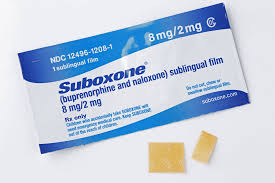
Suboxone is a prescription medication designed to treat opioid use disorder safely and effectively. It combines buprenorphine and naloxone, two active ingredients that help reduce withdrawal symptoms and control cravings. Suboxone allows patients to regain balance and stability while undergoing recovery, minimizing the risk of relapse. It comes in the form of Suboxone tablets and Suboxone film, both of which dissolve under the tongue for quick absorption. This treatment has been a breakthrough for individuals struggling with opioid dependence, offering them a safe path to recovery with proper medical guidance.
Uses
Suboxone is used for the treatment of opioid dependence and addiction. It assists patients in transitioning away from opioids while reducing withdrawal discomfort. This medication is commonly prescribed during the maintenance phase of treatment and can be part of a comprehensive program that includes counseling and behavioral therapy. Suboxone helps patients maintain sobriety, manage cravings, and regain normal daily functioning.
How to Use
Suboxone must be taken exactly as directed by a healthcare professional. Place the tablet or film under your tongue and allow it to dissolve completely—do not chew or swallow it. The dosage varies depending on your medical condition and response to therapy. Avoid alcohol or sedatives while on this medication unless advised by your doctor. Consistent daily use at the prescribed dose ensures the best results in managing opioid use disorder treatment effectively.
Warning
Improper use of Suboxone can lead to serious health risks such as breathing difficulties, dependence, or overdose. Avoid using this medication if you have severe liver disease or allergies to buprenorphine or naloxone. Mixing Suboxone with opioids, alcohol, or benzodiazepines may result in life-threatening side effects. Keep this medication out of reach of children and store it securely. Always consult your healthcare provider before adjusting your dosage.
Side Effects
Common Suboxone side effects include headache, constipation, nausea, vomiting, dizziness, sweating, and sleep issues. Some individuals may experience mood swings or difficulty concentrating. Serious side effects such as shallow breathing, severe drowsiness, or allergic reactions require immediate medical attention. Most side effects are temporary and lessen as your body adjusts to treatment.
Precaution
Before taking Suboxone, tell your doctor about any health problems, especially if you have liver disease, breathing issues, or a history of mental health disorders. Pregnant or breastfeeding women should discuss risks and benefits with their doctor. Avoid driving or operating heavy machinery until you know how Suboxone affects you. Maintaining a consistent schedule and attending follow-up appointments are crucial for effective recovery.
Drug Interactions
Suboxone may interact with antidepressants, sedatives, anti-anxiety medications, and other opioids. These interactions can increase sedation or respiratory risks. Inform your doctor about all the drugs, supplements, or herbal products you use to avoid dangerous interactions. Alcohol should be avoided completely during treatment, as it enhances drowsiness and reduces medication effectiveness.
Overdose
Taking more than the prescribed amount of Suboxone dosage can cause life-threatening effects like extreme drowsiness, slow breathing, and fainting. In case of overdose, seek emergency medical help immediately. Keeping naloxone available for emergency use is recommended if prescribed by your doctor.
Notes
Suboxone is not a cure for addiction but an important tool in managing it. Combining medication with counseling, therapy, and lifestyle changes gives the best long-term results. Staying committed to your treatment plan helps improve mental and physical well-being.
Missed Dose
If you forget a dose, take it as soon as you remember. If it’s nearly time for your next dose, skip the missed one—never double up. Maintaining a consistent schedule helps stabilize withdrawal symptoms and supports steady recovery.
Storage
Store Suboxone at room temperature, away from moisture and sunlight. Keep it in its original packaging and out of reach of children or pets. Dispose of unused or expired medication safely as per local pharmacy guidelines.
Important Notice
Suboxone should be taken only under a doctor’s supervision as part of an approved opioid use disorder treatment program. Misuse or unauthorized use can lead to dependence, overdose, or withdrawal complications. Follow your doctor’s instructions closely and attend regular checkups to monitor progress and safety.
- Use and purpose: Suboxone tablets are a sublingual medication, meaning they are placed under the tongue to dissolve completely. They are used as part of a treatment plan for opioid use disorder to help manage withdrawal symptoms and cravings.
- Counterfeit medication: Illicitly sourced pills may be unsafe and contain dangerous unknown substances. Only medication from a licensed pharmacy should be considered safe.
- Suboxone film: It is also important to note that Suboxone is available as a sublingual film, which is a thin, rectangular orange film that dissolves under the tongue.
For safe and genuine Suboxone supplies and related medications, visit Pills Supplies.
Generic Suboxone tablets
- Manufacturer: Amneal Pharmaceuticals
- Description: Round, orange tablet
- Imprint: “AN 444” (for 8 mg/2 mg)
- Manufacturer: Roxane Laboratories
- Description: Round, white tablet
- Imprint: “54 375” (for 2 mg/0.5 mg) and “54 377” (for 8 mg/2 mg)
- Manufacturer: Mylan Pharmaceuticals
- Description: Round, peach-colored tablet
- Imprint: “M 924” (for 2 mg/0.5 mg) and “M 925” (for 8 mg/2 mg)
- Manufacturer: Teva Pharmaceuticals
- Description: Round, orange tablet
- Imprint: “93 222” (for 2 mg/0.5 mg) and “93 223” (for 8 mg/2 mg)
- Manufacturer: Actavis Pharma
- Description: Round, white tablet
- Imprint: “AA 256” (for 2 mg/0.5 mg) and “AA 255” (for 8 mg/2 mg)
Be the first to review “Suboxone”
Related products
Painkillers
Painkillers
Painkillers
Painkillers

Painkillers
Reviews
There are no reviews yet.