
Oxycodone: Opioid Pain Relief Medication for Severe Pain Management
Oxycodone is a powerful opioid analgesic designed to treat severe pain that does not respond to other medications. It works by acting directly on the central nervous system (CNS) to change how the body feels and responds to pain. Available in several forms — tablets, capsules, and oral solutions — Oxycodone provides both short-term and extended pain control depending on medical needs.
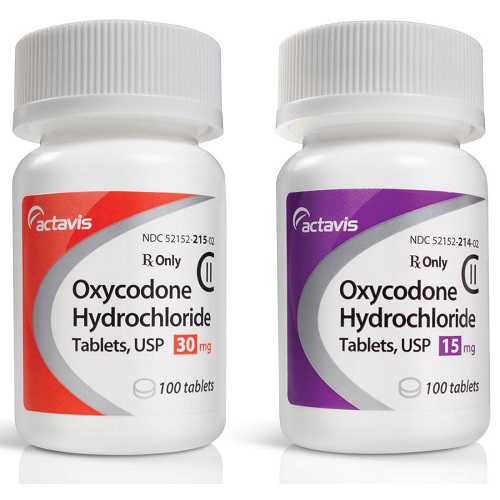
Oxycodone Hydrochloride Tablets, USP 30mg and 15mg are potent opioid analgesic medications formulated to relieve moderate to severe pain in patients who require continuous, around-the-clock pain control. These tablets contain Oxycodone hydrochloride, an active ingredient that works directly on the central nervous system to alter the body’s response to pain. Oxycodone is commonly prescribed for patients suffering from chronic conditions like arthritis, back injuries, postoperative pain, or cancer-related discomfort, when non-opioid analgesics fail to provide adequate relief. Both strengths — 15mg and 30mg — are available for tailored dosing based on the severity of pain and individual patient response.
Oxycodone Hydrochloride Tablets belong to the class of opioid medications known for their strong analgesic properties. The drug acts by binding to mu-opioid receptors in the brain and spinal cord, reducing the perception of pain and producing a calming effect. It is designed to be taken orally and prescribed only under the guidance of a healthcare professional. Because Oxycodone can be habit-forming, patients must follow dosing instructions precisely and avoid taking more than prescribed.
How Oxycodone Works
Oxycodone functions by binding to opioid receptors in the brain and spinal cord, reducing pain signals and increasing feelings of calmness and relief. Because it affects brain chemistry, patients must take it only under professional supervision. Long-term use may lead to physical dependence, so doctors usually prescribe it in carefully monitored doses to prevent addiction while ensuring adequate pain relief.
Extended-release tablets are designed for round-the-clock pain management, while immediate-release forms are used for breakthrough pain that occurs despite ongoing treatment. Patients switching between different Oxycodone formulations should only do so under medical direction, as the dosage strengths are not interchangeable.
Dosage and Administration
Doctors determine Oxycodone dosage individually, depending on a patient’s age, health condition, and prior opioid exposure. Adults who are new to opioids may begin with lower doses, typically 5–15 mg every 4–6 hours, while opioid-tolerant individuals may require stronger or extended-release forms.
It is essential to swallow Oxycodone tablets whole with water. Crushing or dissolving them can cause rapid drug release and potentially fatal overdose. For liquid or concentrate forms, patients should use the provided measuring tools to ensure precise dosing.
Possible Side Effects
As with most opioids, Oxycodone side effects can range from mild to severe. Common reactions include drowsiness, nausea, constipation, dizziness, and dry mouth. More serious symptoms — such as slow breathing, confusion, fainting, or allergic reactions — require immediate medical attention. Long-term use may also cause tolerance, meaning the body needs higher doses to achieve the same effect.
Elderly patients and individuals with liver, kidney, or lung conditions may experience stronger effects due to slower drug clearance. Therefore, dosage adjustments are often necessary in such cases.
Warnings and Precautions
Oxycodone must not be taken with alcohol, grapefruit juice, or other central nervous system depressants such as sedatives or tranquilizers, as these combinations can dangerously increase sedation and breathing difficulties. Patients should also avoid driving or operating machinery until they know how the medication affects them.
People with respiratory disorders, asthma, or head injuries should use this medicine only under close supervision. Pregnant women are advised against taking Oxycodone unless absolutely necessary, as it can cause withdrawal symptoms in newborns. Those who wish to stop treatment should taper their dose gradually to prevent withdrawal effects.
Storage and Safety
Oxycodone should be stored securely, out of reach of children and others, to prevent accidental ingestion or misuse. Any unused tablets should be disposed of safely — ideally at an approved take-back center. Patients should never share their prescription, as it is a prescription-only opioid with a high risk of abuse.
Important Notice
Oxycodone Hydrochloride Tablets, USP 15mg and 30mg are prescription-only opioid analgesics used strictly for managing severe pain under medical supervision. Misuse can result in dependence, addiction, or even fatal overdose. Patients must take them only as directed and never combine with alcohol or sedatives. If withdrawal symptoms occur, contact your healthcare provider immediately. Pregnant or nursing mothers, elderly individuals, and those with respiratory or liver issues must use extreme caution. Always follow your doctor’s instructions and never self-adjust doses. Individuals with a history of substance abuse should disclose it before starting treatment. The medicine is part of the Opioid Analgesic REMS program, ensuring its safe and responsible distribution.
Order Oxycodone Pills Online – Safe & Trusted
Looking for effective pain management? Pills Supplies offers authentic Oxycodone tablets for reliable relief. Enjoy fast shipping, safe packaging, and full privacy.
| Quantity | 60 pills of 15mg @ $3.00/pill, 60 pills of 30mg @ $4.00/pill, 90 pills of 15mg @ $2.75/pill, 90 pills of 30mg @ $3.75/pill, 120 pills of 15mg @ $2.50/pill |
|---|
Be the first to review “Oxycodone”
Related products
OPIOIDS
Anxiety
Painkillers

Painkillers
Anxiety
Painkillers
Reviews
There are no reviews yet.