
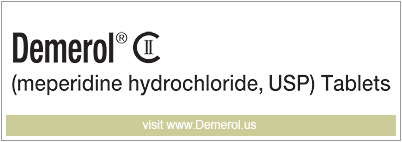

Meperidine – Opioid Pain Relief
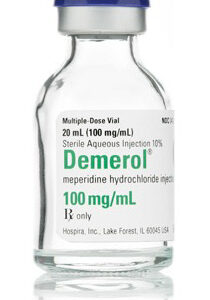
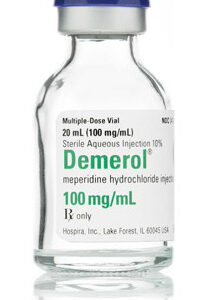
Meperidine, commonly known under brand names like Demerol, is a potent opioid medication prescribed for moderate to severe pain management. It works by binding to opioid receptors in the brain and spinal cord, altering the perception of pain and providing fast relief. Meperidine hydrochloride is often used in surgical settings, during labor, or for acute pain episodes resulting from injury or medical procedures. Due to its potential for dependence and abuse, it is classified as a Schedule II controlled substance, requiring strict medical supervision. Careful dosing and monitoring are essential to avoid adverse effects such as respiratory depression, hypotension, or overdose. This medication is intended for short-term pain relief and should only be administered by licensed healthcare professionals.
Medical Uses
- Moderate to Severe Pain: Effective relief for acute or chronic pain conditions
- Surgical Pain Management: Used before, during, and after surgery
- Labor Pain: Administered during childbirth when appropriate
- Emergency Pain Relief: For sudden injury or acute episodes
How to Use
- Oral Tablets: Taken as prescribed, typically every 3–4 hours
- Injection (IV/IM): Provides rapid relief in clinical or hospital settings
- Dosage: Adults usually 50–150 mg every 3–4 hours as needed; pediatric dosing is weight-base
Warning
- Avoid use in patients with opioid hypersensitivity
- May cause respiratory depression, especially with alcohol or sedatives
- Use cautiously in elderly or those with kidney/liver issues
- Not recommende during pregnancy unless directed by a physician
Side Effects
Common Side Effects:
- Drowsiness, dizziness
- Nausea, vomiting
- Sweating
- Constipation
- Lightheadedness
Serious Side Effects:
- Severe respiratory depression
- Hypotension
- Seizures (rare)
- Addiction and dependence
- Potentially fatal overdose
Seek immediate medical help for severe reactions.
Precaution
- Monitor patients with history of substance abuse
- Avoid combination with other CNS depressants unless supervised
- Always inform your healthcare provider of all medications
Drug Interactions
- CNS Depressants: Alcohol, sedatives, or other opioids may enhance sedation and respiratory risk
- MAO Inhibitors: Can cause dangerous interactions
- Other Opioids: Additive sedative effects
Provide a complete medication list to your healthcare provider.
Overdose
- Symptoms: Extreme drowsiness, shallow breathing, pinpoint pupils, unconsciousness
- Immediate medical attention require; supportive care or naloxone may be necessary
Notes
- Only a licensed healthcare provider should administer Meperidine
- Use the lowest effective dose for the shortest duration
- Regular monitoring necessary for long-term therapy
Missed Dose
- Take as soon as remembered if not near the next scheduled dose
- Do not double up on doses
Storage
- Room temperature, away from heat, moisture, and sunlight
- Keep in a secure location to prevent accidental ingestion or misuse
- Properly dispose of unused medication according to regulations
Important Notice
Meperidine should be use exactly as prescribed by a licensed healthcare provider. Patients must follow all dosing instructions carefully and avoid combining this medication with other opioids, sedatives, or alcohol to reduce the risk of respiratory depression and overdose. Regular monitoring is essential for those on long-term therapy, and any unusual symptoms such as extreme drowsiness, difficulty breathing, or severe dizziness should be reported immediately to a healthcare professional. Emergency services should be contacted without delay in case of suspected overdose or severe adverse reactions. This medication is intended strictly for patients with legitimate medical needs and should never be shared or use without professional supervision.
Quality and authenticity of Meperidine are verified through Pills Supplies, providing safe and trusted access for patients seeking effective pain relief.
Be the first to review “Meperidine”
Related products

Painkillers
Painkillers
Painkillers
Painkillers

Reviews
There are no reviews yet.